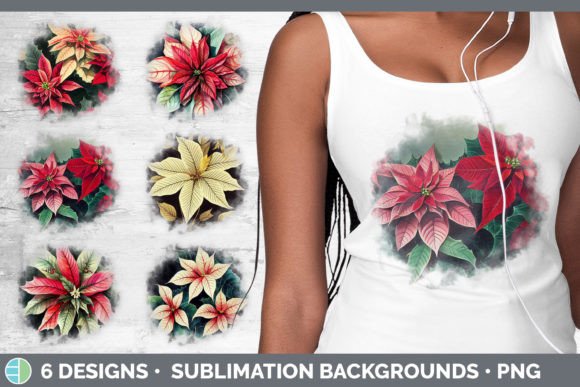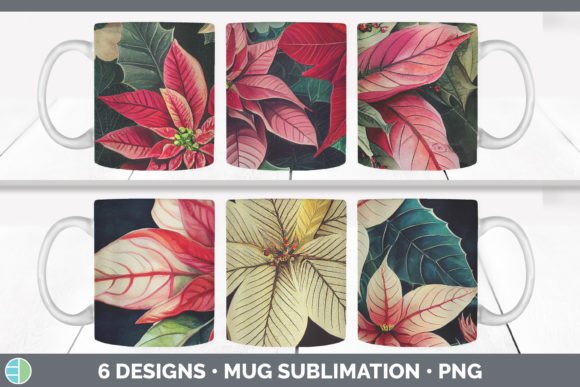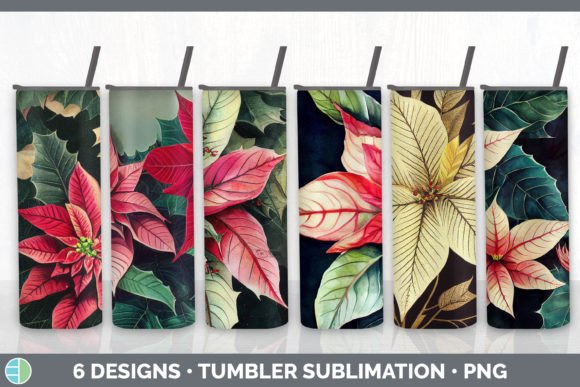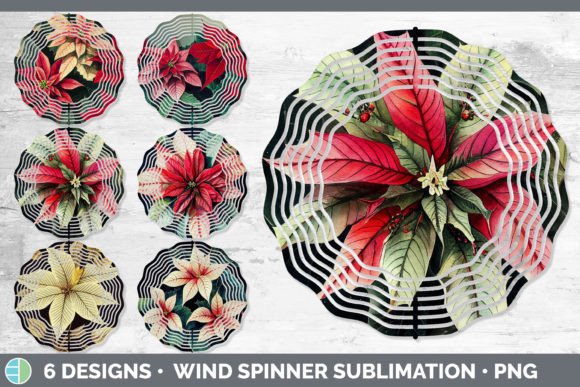
Christmas Poinsettia Backgrounds Digit Review
When I first opened the file for Christmas Poinsettia Backgrounds Digit, my immediate reaction wasn't about stitch counts or color palettes. It was about the mood. There is a specific kind of warmth that only comes from a well-executed holiday motif, and this design delivers exactly that. As someone who has spent years digitizing and reviewing files for everything from boutique branding to personalized baby gifts, I know that a background element can make or break a project. This isn't just a decorative filler; it feels like a statement piece waiting for a home.
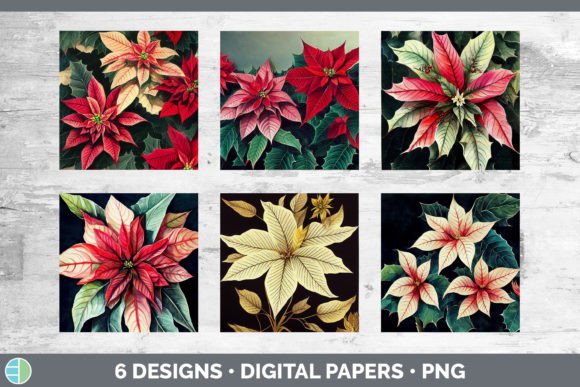
The visual personality of this illustration is bold yet inviting. The layout suggests a rich texture that mimics the layered petals of the flower without getting lost in unnecessary complexity. For an embroidery designer, this balance is critical. Too much detail can turn into a muddy mess on the hoop, while too little leaves the fabric looking bare. Christmas Poinsettia Backgrounds Digit strikes a confident chord. It screams "holiday" immediately, making it perfect for seasonal collections where you need to grab attention fast.
From Digital File to Finished Product
Let's talk about how this design behaves when it leaves the screen and hits the needle. I recently simulated using this file for a custom embroidered tote bag intended for a local craft fair. The goal was to create a reusable gift bag that felt premium enough to justify a higher price point but cozy enough for a handmade shop aesthetic. When I loaded the embroidery file onto my machine, the first thing I noticed was how the density held up against the canvas texture.
In real-life scenarios, backgrounds often get overlooked, but they define the value of the finished product. If the fill stitch is too light, the fabric shows through, and the item looks cheap. If it is too heavy, the fabric puckers, and the garment loses its drape. Based on my experience with similar machine embroidery designs, this file appears optimized to handle standard stabilizers effectively. When stitched on a dark cotton tote, the red tones of the poinsettia pop beautifully, creating a striking contrast that customers love. It transforms a simple bag into a piece of wearable art.
I also considered how this would look on softer items like a baby sweatshirt or a nursery pillow cover. The shape of the background elements flows well around curves, which is essential for apparel decoration. Unlike some rigid geometric patterns that look stiff on curved surfaces, this floral-inspired background adapts naturally. It creates a sense of movement that makes the stitching feel organic rather than mechanical. For an Etsy seller or small business owner, this versatility is gold. You aren't limited to just one type of merchandise; this design can anchor a collection of holiday gifts, from aprons to kitchen towels.
Where Caution Is Key
While the potential is high, every experienced designer knows that not every design fits every surface. There are specific situations where you need to exercise caution with Christmas Poinsettia Backgrounds Digit. If you are working with very small hoop sizes, such as those used for hat brims or delicate jewelry tags, the intricate details of the background might get lost. In these cases, the fine lines could merge, turning a crisp image into a blurry blob.
Similarly, textured fabrics present a challenge. While the design looks great on smooth cottons and linens, trying to stitch this over a thick, nubby wool or a highly patterned jacquard can obscure the design entirely. The thread colors might get swallowed by the fabric texture, reducing the visual impact. If you are planning to use this on a stretchy knit fabric, you must ensure you are using the proper stabilizer to prevent distortion. Without adequate support, the tension of the satin stitch and fill stitch areas can pull the fabric out of shape, ruining the professional look of the final item.
Dense stitch areas are another consideration. If your client wants a very soft hand-feel on a garment, be aware that large background fills can add significant weight to the fabric. This is particularly important for children's clothing or lightweight summer tops. For these applications, you might need to adjust the underlay or reduce the density slightly, though the file itself seems robust. Always test the design on scrap fabric first to see how the thread sits against your specific material. This step saves time and prevents costly mistakes before you ever charge a customer.
Impact on Brand and Customer Trust
For those of us running creative businesses, the quality of our work speaks directly to our brand reputation. A poorly executed background can make even the best logo look amateurish. Conversely, a strong, well-stitched background elevates the entire piece. When a customer receives a personalized gift or a custom apparel item with a clean, vibrant background like this, their trust in your craftsmanship increases instantly. They perceive the item as more valuable, which justifies your pricing and encourages repeat business.
This design also plays a crucial role in marketing materials. High-quality mockups featuring Christmas Poinsettia Backgrounds Digit can significantly boost engagement on social media or within your online store listings. The rich visual appeal draws the eye, making your products stand out in a crowded marketplace. Whether you are selling digital assets or physical goods, the ability to showcase a design that looks professional in both print and person is invaluable. It helps you build a consistent brand identity that customers recognize and remember.
However, achieving this level of professionalism requires attention to detail. You cannot simply hit "print" or "stitch" and hope for the best. You need to review the stitch density, confirm the hoop size limits, and inspect small details closely. If you are selling commercial embroidery projects, you must verify the licensing terms to ensure you have the right to sell finished items made with this file. Skipping these steps can lead to legal issues or unhappy clients who receive subpar products.
Practical Notes for the Designer
Before you commit to a full production run, there are several practical steps every designer should take. First, always check the thread color contrast. A beautiful design can fall flat if the thread colors clash with the fabric background. Test your choices in both natural light and artificial lighting to ensure the colors render accurately.
Secondly, compare light and dark fabric backgrounds. Some designs look stunning on white but disappear on black, or vice versa. Since this is a festive theme, it likely works best on traditional holiday colors, but testing ensures you don't miss any opportunities. Third, use proper stabilizer. The right backing is the unsung hero of successful embroidery. It keeps the stitches tight and the fabric stable, preventing the dreaded pucker.
Finally, consider the end-use of the product. Will it be washed frequently? If so, ensure the design is durable enough to withstand repeated cycles without fraying or fading. For items like kitchen towels or aprons, durability is paramount. For decorative pieces like pillow covers, aesthetics take precedence. Understanding these nuances allows you to tailor your approach and deliver the best possible result.
In conclusion, Christmas Poinsettia Backgrounds Digit is a versatile and visually appealing asset for any embroiderer looking to add a touch of holiday cheer to their portfolio. It balances detail with wearability, making it suitable for a wide range of projects from boutique merchandise to personal gifts. By following best practices and paying attention to the specifics of your materials, you can transform this digital file into a stunning finished product that delights customers and strengthens your brand.