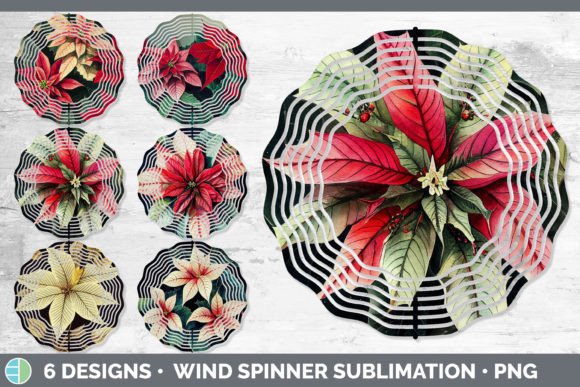
Christmas Poinsettia Wind Spinner Design Review
As someone who has spent years testing embroidery files for everything from boutique clothing lines to custom holiday gifts, I know that the difference between a good design and a great one often comes down to practical application. Today, I am looking at the Christmas Poinsettia Wind Spinner Design. At first glance, it falls under the Illustrations category, which suggests a focus on artistic flair rather than just simple geometric shapes. But does it hold up when transferred to fabric? Can it stand the test of a commercial production run or a high-stakes gift project? Let's dive into what this design actually offers for real-world use.
The First Impression: Mood and Visual Personality
When you open an embroidery file, the immediate reaction is about the mood it sets. The Christmas Poinsettia Wind Spinner Design brings a festive energy that feels distinct from standard holiday motifs. It combines the classic botanical beauty of the poinsettia with the dynamic motion implied by a wind spinner. This creates a visual personality that is lively yet elegant. For a designer, this is promising because it breaks away from the static, boxy layouts common in many digital product previews.
The layout suggests movement, which is crucial for embroidery. Static designs can sometimes feel heavy if the stitch density isn't perfect, but the implied rotation here adds a layer of sophistication. It feels like a piece that belongs on a larger canvas, where the eye can travel across the curves and details. Whether you are creating a tote bag design or a sweatshirt embroidery piece, this design promises to be a focal point rather than just a background accent. It captures the spirit of the season without relying on cliché Santa hats or snowmen, making it versatile for various demographics.
Real-World Application: From Digital File to Finished Product
Let's talk about how this performs in a scenario I encounter frequently: preparing a batch of handmade products for a local craft fair. Imagine you are an Etsy seller planning your holiday collection. You need items that look professional, unique, and high-quality. You decide to use the Christmas Poinsettia Wind Spinner Design on a set of linen kitchen towels and perhaps some cotton aprons for your shop merchandise.
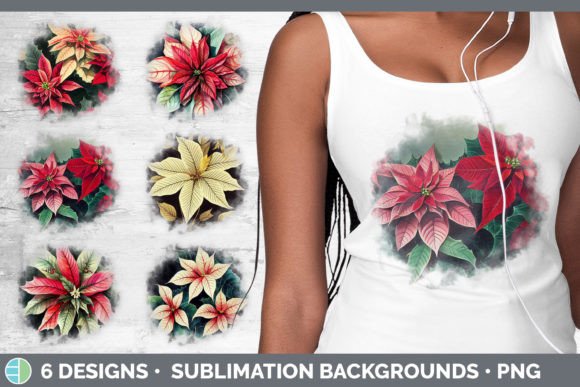
In this context, the design shines. The intricate details of the poinsettia petals translate well to satin stitch, providing a smooth, glossy finish that contrasts beautifully with the textured fabric of the towel. When stitched onto a dark blue apron, the bright reds and greens pop, creating a strong visual hook for potential buyers. It elevates the perceived value of the item. A customer seeing this level of detail on a handmade product immediately associates it with quality craftsmanship.
However, consider a different use case: baby embroidery on a soft onesie. Here, the dynamic nature of the wind spinner might require careful placement. If the design is too large, it could overwhelm the small garment, but if placed correctly on the chest or back, it becomes a stunning centerpiece for a holiday gift. The key is understanding how the stitch density interacts with the fabric. On a sturdy canvas tote bag, the design will hold its shape perfectly. On a stretchy knit fabric, you must ensure you are using the right stabilizer to prevent puckering, especially around the curved edges of the petals.
Navigating Challenges: Where Caution is Required
Not every embroidery project is a success story, and knowing where a design might struggle is just as important as knowing where it excels. The Christmas Poinsettia Wind Spinner Design has specific characteristics that demand attention during the digitizing and stitching process. One major consideration is the hoop size. Because the design features flowing lines and potentially detailed corners, it may not fit comfortably into a small 4x4 hoop. Attempting to force a complex illustration into a tiny area can lead to thread breaks and loss of definition.
Texture is another factor. If you plan to use this on a heavily textured fabric like a chunky wool sweater or a rough burlap sack, the fine details of the illustration might get lost. The threads won't lay flat, and the contrast could be muddy. Similarly, on thin or sheer fabrics, the density of the fill stitches required for the leaves and petals could cause the material to warp or tear. In these cases, an applique design approach might be necessary, cutting out the shapes and stitching them down, though this depends entirely on the specific file structure provided.
Curved surfaces, such as caps and hats, present their own set of challenges. While the design looks great on a flat plane, wrapping it around the curve of a baseball cap requires precise placement. The "wind spinner" aspect of the image needs to remain legible; if the distortion from the curvature makes the petals look squashed, the effect is ruined. Always test the design on a scrap piece of the actual garment fabric before committing to a full production run. This is non-negotiable for any serious commercial embroidery operation.
Design Notes for the Professional Creator
If you are a creative entrepreneur looking to integrate this into your workflow, here are some practical steps to ensure success. First, always review the stitch density. High-density areas can make the fabric stiff, which might be undesirable for custom apparel that needs to drape softly. Check whether the design works for both personal and commercial projects by reviewing the license terms explicitly. Many designers assume a file is free for resale, but that is rarely the case without explicit permission.
Thread color selection is critical. Since this is an illustration, the color palette carries the mood. Using standard red and green threads is safe, but experimenting with metallic threads for the accents or varying shades of green can add depth. Test the design in black and white mockups first. This helps you visualize the contrast and ensure that the details aren't getting lost due to similar thread tones. If you are selling digital product previews, ensure your mockups accurately reflect the texture and sheen of the final embroidery project.
Stabilizer choice cannot be overstated. For a design with this much detail, a cut-away stabilizer is often the best bet to maintain longevity, especially for items that will undergo frequent washing, like kitchen towels or pillow covers. Tear-away stabilizers might work for temporary garments, but they risk leaving loose threads behind after the initial wash. Finally, inspect the small details. Zoom in on the file to see if the tiny points of the leaves are defined enough to stitch cleanly. If they are too small, they may not register well on most home machines.
Final Thoughts on Value and Trust
Ultimately, the Christmas Poinsettia Wind Spinner Design is a strong asset for anyone in the craft business or small shop product market. It offers a blend of seasonal cheer and artistic movement that resonates with customers looking for something special. When executed correctly, it builds trust and enhances brand consistency. Buyers appreciate designs that show thought and care, and this file provides a solid foundation for that.
Whether you are creating a personalized gift for a family member or stocking your Etsy listings with boutique branding, this design has the potential to elevate your work. Just remember to respect the technical limitations of embroidery. Test thoroughly, choose your materials wisely, and let the quality of the finished product speak for itself. With the right approach, this design can become a signature element in your holiday collection.